| VIEW IN BROWSER | |

 | ||||||||||||||||
Letter from the Senior Director of the Searle Center Collaborative Learning: Events, Programs, & Services Special Feature: Welcoming Greg Siering Signature Programs: Catalysts for Change Strategic Initiatives: Ideas in Action | ||||||||||||||||
 | ||||||||||||||||
Illuminating the Connections Between Student Success and Instructor VitalityDear Colleagues,Teaching today against the backdrop of frigid weather and international turbulence evokes the sense of mid-winter isolation. The challenges we face test our endurance and seem to make our joyful moments dimmer and our routine tasks more effortful. We crafted this newsletter with care so that the time you invest in reading it brings insight and value. We showcase our second strategic priority, which illuminates the deeply interconnected and mutually reinforcing nature of bolstering student success and instructor vitality as essential components for sustaining a vibrant academic community. We work closely with the Office of the Provost to deliver an outstanding educational experience where every student and educator experiences transformative teaching as a catalyst for lifelong learning. Northwestern is sustaining strong instructional support and expertise at the Searle Center. Our new Director of Pedagogy and Curricular Development, Dr. Greg Siering, brings decades of experience, which will contribute to shaping our institutional strategy for assessment and accreditation. We are also actively recruiting a new Assistant Director for STEM Education. As Executive Sponsor of our new STEM Education Advisory Board, Associate Provost Karen Smilowitz will collaborate with faculty to advance our STEM Teaching Excellence Initiative, catalyzing pedagogical innovation and curricular transformation to enhance opportunities for all students to thrive in rigorous learning environments. Our programs create pathways for you to meaningfully engage without overwhelming your schedule by combining accessible formats, actionable strategies, and a supportive community.
Our resources synthesize data and identify levers of change within your sphere of influence, adaptable to your teaching context. Our What We're Reading section curates the most innovative, impactful texts. Enhancing Inclusive Instruction (2024) opens with survey data from college and university students (N = 364) many of whom did not feel as though they mattered: 69% reported that the instructor did not know their name by the end of the course and only 34% said their instructor knew about how their personal background might affect their ability to succeed in the course. Our review notes ways Searle can partner with you to foster student belonging through reflective practices, observational insights, and data-driven measures. Teaching Tips share time-friendly micro-teaching practices designed to ease common pinch points in your courses and provide simple plus-ones that you can start implementing tomorrow for more meaningful, engaged learning. In this issue, we draw from our recently published Learning & Teaching Guide on Thoughtful Image Selection to describe how intentional visual choices can promote accessibility, inclusion, and motivation, while reducing decision fatigue. We also pause to honor the life and legacy of Ken Bain, founding director of the Searle Center, whose work shaped how generations of educators understand learning and teaching. In the winter quarter we know you are navigating more than just icy sidewalks and choosing a spot for Chicago’s Restaurant Week but also trying to sustain student engagement through winter blues, rethink assessments in response to generative AI, and guide conversations about global events with care and perspective. We are here for you. Warm Regards, Jennifer Keys, Ph.D. | ||||||||||||||||
 | ||||||||||||||||
 | ||||||||||||||||
Selected by the campus community, this year’s University Practicum explores The Science of How Students Learn. Grounded in rigorous research and designed for practical application across a wide range of teaching contexts, the Practicum offers space for reflection, experimentation, and collegial engagement. To respect participants many commitments, the online program offers complete flexibility. Participants are welcome to join all or any offerings and access recordings as needed. This year’s sessions include:
This year, our interactive sessions will feature many Searle Center Distinguished Fellows—winners of the University Teaching Awards—who will share their unique perspectives and inspiring approaches.
Two opportunities to participate: February 16–March 12 or April 7–30. Register here. | ||||||||||||||||
 | ||||||||||||||||
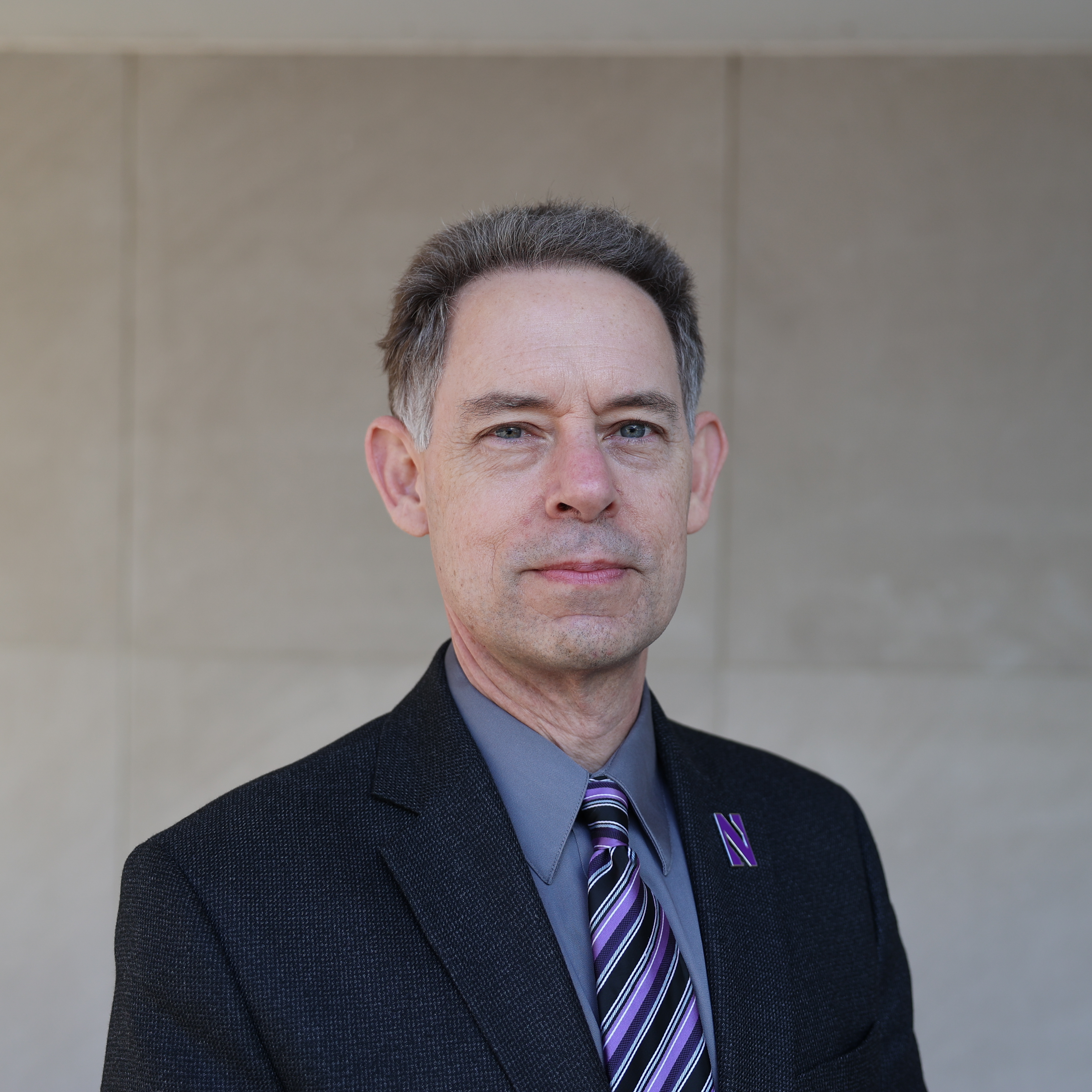
Advancing Pedagogy and Curricular DevelopmentWe are delighted to announce Dr. Greg Siering as our new Director of Pedagogy and Curricular Development. Greg joins Northwestern after 15 years as Director of the Center for Innovative Teaching and Learning at Indiana University Bloomington.
With an academic background in Composition and Rhetoric, Greg has dedicated two decades of his teaching career to first-year writing and first-year seminars. “Working with incoming students has taught me the value of building meaningful faculty-student relationships and the importance of attending to the whole student experience—from what promotes their sense of belonging at the university to how their learning in my course connects to their other educational experiences across the curriculum." Greg’s leadership in the field of educational development has been marked by strategic vision, collaborative partnerships, and adaptability in navigating the evolving landscape of higher education, from active learning and authentic assessment to generative AI. At Indiana, Greg positioned his Center as a catalyst for scaling student success initiatives. He spearheaded curricular redesign initiatives that significantly reduced DFW (low grade, failing, and withdrawal) rates in gateway courses, advanced equity in STEM education via the multi-institution SEISMIC Collaboration, and led the development of new frameworks for training graduate and undergraduate teaching assistants to support students’ complex problem-solving. “What I valued most about that work was what drew me to Northwestern and the Searle Center, which is recognizing that a meaningful education is built on transformational experiences (for both faculty and students) and that putting assessment and continual growth at the heart of our teaching work is the path to long-term success." Greg’s work is deeply rooted in evidence-based practice, meaningful assessment at multiple levels: course, program, and institutional, and a commitment to student learning. We look forward to the ways Greg’s expertise will inspire new directions and collaborations to advance innovative approaches to learning and teaching at Northwestern. | ||||||||||||||||
 | ||||||||||||||||
STEM Teaching ExcellenceSTEM fields are facing compounding challenges. Congress is pushing back against the largest proposed reduction in federal spending on science since World War II amid growing misinformation and public distrust. At the Searle Center, these challenges have underscored the importance of our STEM Teaching Excellence initiative: Cultivate learner-centered teaching practices and catalyze pedagogical innovations that benefit all learners by fostering resilience sense of belonging, and holistic student success through communities of practice and multi-institutional programming, including the CIRTL Certificate Program. Our longstanding collaboration with the Center for the Integration of Research, Teaching and Learning (CIRTL) has been a point of pride in our work to advance STEM education and a heartening reminder that our efforts are part of a much larger movement. Founded in 2003 as a National Science Foundation Center for Learning and Teaching in higher education, CIRTL now brings together 45 research universities in the United States and beyond, working together with the goal of “improving STEM learning for all students, thereby increasing the diversity in STEM fields and the STEM literacy of the nation.” The Searle Center is committed to amplifying the impact of the CIRTL Network as a national leader in preparing the next generation of inclusive, evidence-based STEM educators. Most recently, we helped revise the Network learning goals and contributed “Making Large Classes Feel Smaller,” an online course designed to addresses the common logistical challenges of teaching large classes to improve student engagement and participation. As contributing members, the entire Northwestern community has access to CIRTL’s online courses and events, such as the upcoming "Preparing Your Teaching Demo for a Job Interview" and "Panel of Early Career Faculty." See upcoming CIRTL Network programming. We value your partnership in building this strong STEM Education community. In alignment with our strategic plan, we will continue to enrich our robust local programming and the broader Network. We are excited to announce that we are hiring a new Assistant Director for STEM Education who will lead programs including our on-campus offerings Pedagogical Innovations in STEM and a reimagined Searle Teaching-as-Research program as part of the CIRTL @ Northwestern Certificate Program for graduate students and postdocs. Please share the job posting with those passionate about positively shaping the future of STEM education. | ||||||||||||||||
 | ||||||||||||||||
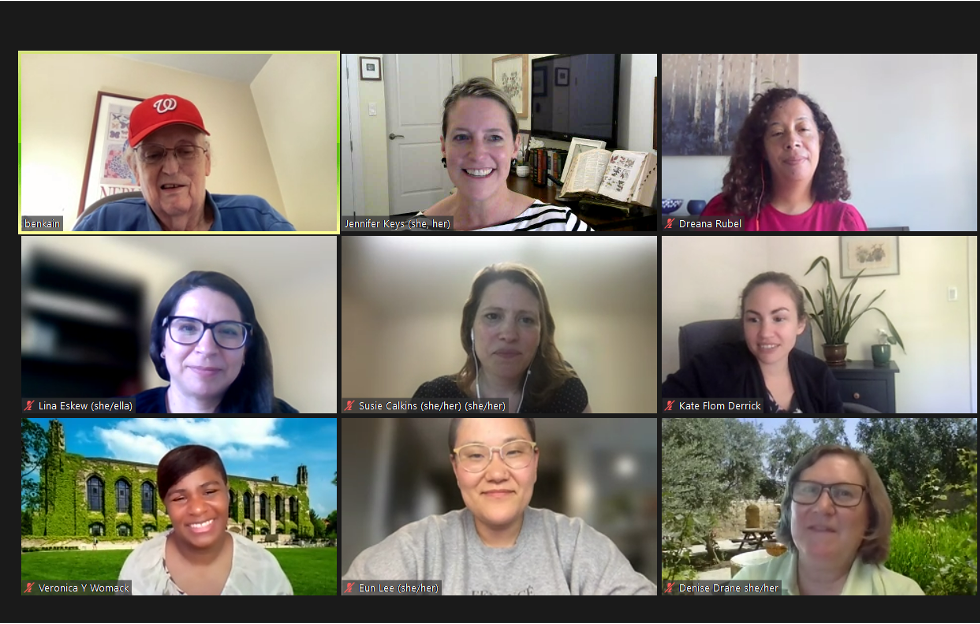
Instructor VitalityIt’s hard to be an instructor, and it isn’t getting any easier. We would normally substantiate such a bold claim with a healthy smattering of examples and citations, but the list is too gloomy (see Kevin McClure's “Faculty Motivation in a Uniquely Demotivating Time” if you want to read the gritty details). The usual advice for staying grounded and motivated amid upheaval is quickly losing its charm. We have never taken so many deep breaths. While those of us at the Searle Center believe in and benefit from the positive power of mindfulness practices, doing these quick mind-body exercises alone in our offices doesn’t seem to be the panacea Instagram touts. Over the past few years, we have seen an uptick of requests for in-person events and face-to-face consultations. We have added more food to share in our planning budgets and bought extra chairs. We are part of a campus community that is craving connection. Instructor well-being has long been a guiding principle in our work at the Searle Center. In our strategic plan, we created an intentional Instructor Vitality Initiative to prioritize this work: Cultivate a relationship-rich environment where instructors can bolster vitality by connecting and learning with colleagues who share similar interests, roles, or experiences, empowering them to maintain a sustainable commitment to learning and teaching across the span of their careers. This initiative is woven into the fabric of our work, from meaningful New Faculty Transitions to the time-honored Searle Fellows Program and forthcoming Teaching-Line Faculty Mini-Retreats. These events are designed to (re)create opportunities to rediscover the joy of community. In November, we co-hosted the inaugural Salon, an intergenerational community of students, faculty, and staff with the Department of Black Studies and Center for Student Advocacy and Wellness. Drawing from Deborah Eden Tull’s concept of deep listening (from Relational Mindfulness) and the Center for Contemplative Mind in Society’s Tree of Contemplative Practices, Salon participants were guided through the process of cultivating awareness and inner wisdom. "The participants seemed to find value in engaging in these contemplative practices, as a collective, and were interested in seeing how regular engagement with mindfulness and other techniques could positively influence their response to stressors and the Northwestern community, at large." —Veronica Womack, Associate Director of High-Impact Teaching, Searle Center. We look forward to continuing these gatherings and expanding collaborations that center care and community. | ||||||||||||||||
 | ||||||||||||||||
By Laura Ferdinand, Assistant Director of Content and Communications We celebrate the life and work of Ken Bain, renown educator, influential scholar of learning and teaching, and founding director of the Searle Center, who passed away on October 10, 2025. Ken’s scholarship transformed how generations of educators understand their work. In 2004, he published the culmination of a 16-year longitudinal study examining the practices of outstanding college teachers across the US, including recipients of Northwestern’s University Teaching Awards. That study, What the Best College Teachers Do, became an instant classic. For many instructors and educational developers, it was the book that first invited them into the art and science of teaching, and its well-worn pages remain a continuing source of insight and inspiration for us at the Searle Center. "As a department chair, What the Best College Teachers Do, provided an evidence-driven framework for presenting my junior colleagues’ cases to the tenure and promotion committee. When I observed their classroom teaching, I looked for illustrations of faculty cultivating what he describes as a natural critical learning environment where students are challenged to reevaluate underlying beliefs, grapple with wicked problems, engage in authentic tasks, and walk away with even more to ponder. "His follow-up book, What the Best College Students Do, is a go-to mentoring resource (and high school graduation gift), full of insights about what differentiates deep from strategic learners, including compassionate reflection on failures to guide future decision making.” —Jennifer Keys, Senior Director of the Searle Center Ken’s 2021 Super Courses determines the core components of innovative courses, including sparking deeper levels of collaboration, engagement with big questions, immersing learners in disciplinary practice, and demonstrating belief in students' ability to learn. He cautions with his signature wit, however, that merely sprinkling a few of these ingredients into your syllabus is as just as unlikely to transform it into as super course than would "dusting a liver sandwich with brown sugar turn it into a cherry pie” (31). Instead, he shares practical ways instructors can wholistically build their own super courses. Ken's influence extends well beyond the foundational texts he penned. In addition to serving as a founding director of the Searle Center, Ken established preeminent centers for teaching and learning at the University of Texas-Pan American, Vanderbilt, NYU, and Montclair State University. Through his work, he helped shape the field of educational development itself, mentoring colleagues and building institutions that continue to support reflective, evidence-informed, and innovative pedagogical practices. Ken was not only a thought leader but a friend to the Searle Center. When Jennifer joined Northwestern in 2022, he reached out with a congratulatory message: “I have a special place in my heart for Searle, so if there is anything I can do for you, please don't hesitate to call on me. Even if it is just to be a sounding board for any challenges or ideas.” Jennifer eagerly accepted his kind offer and invited him to one of Searle's first strategic planning sessions. Ken’s generosity of spirit and unwavering commitment to transformative education will continue to inspire us.
In August 2025, Ken published his last book, The Learning Household, with his wife and longtime collaborator, Marsha Marshall Bain. Focusing on what families can do to sustain children’s natural curiosity and lifelong love of learning, Ken’s final work will continue to positively influence learners for generations to come. | ||||||||||||||||
 | ||||||||||||||||
By Veronica Womack, Associate Director of High-Impact Teaching Enhancing Inclusive Instruction: Student Perceptions and Practical ApproachesBy Tracie Marcella Addy, Derek Dube, and Khadijah A. Mitchell Enhancing Inclusive Instruction (2024) centers the voices of students of diverse backgrounds, captured through surveys and interviews, to explore how instructors can approach equitable, inclusive teaching. I was excited to read this recently published book due to my familiarity with lead author Tracie Addy’s scholarship on inclusive teaching and mentorship. After disseminating our recently updated Northwestern Principles of Inclusive Teaching, I have been thinking about the Searle Center’s mechanisms for outreach and the ways in which my fellow educational developers and I can best support instructors’ efforts to implement their inclusive teaching goals. While reading this book, I was drawn to the authors’ conversations about specific ways instructors can utilize Centers for Teaching and Learning (CTLs), like the Searle Center, to assess their inclusive teaching practices. Read the full review with key takeaways on reflecting on your practice, using observational feedback, and measuring outcomes to deepen inclusive teaching. | ||||||||||||||||
 | ||||||||||||||||
Thoughtful Image SelectionBy Eun Sandoval-Lee, Assistant Director of Learning and Teaching Images are more than visual accents; they shape how students experience learning and how instructors communicate their values. Thoughtful image selection can foster belonging, accessibility, and engagement, all of which are central to student success. At the same time, adopting intentional practices around visuals supports instructor vitality by reducing “decision fatigue” (Emetu, 2024) and aligning teaching materials with inclusive teaching principles. This guide offers a practical process guide (see graphic) and reflection areas to inspire instructors to make small, meaningful changes in their visual communication that enhance learning environments and strengthen the human connections essential to teaching.
Pinch Point #1: Limited Representation Images in slides often default to stock photos that mis- or under-represent some groups, unintentionally signaling who “belongs” in the discipline.
Pinch Point #2: Accessibility Gaps Images in a learning management system without alt text or poor color contrast create barriers for students with visual impairments or color vision differences.
Pinch Point #3: Uncritical Use of AI-Generated Images AI tools can perpetuate stereotypes or bias, undermining inclusion.
Explore the full guide: Thoughtful Image Selection | ||||||||||||||||
|




|
|
|
Copyright © 2024 Searle Center for Advancing Learning and Teaching |
